
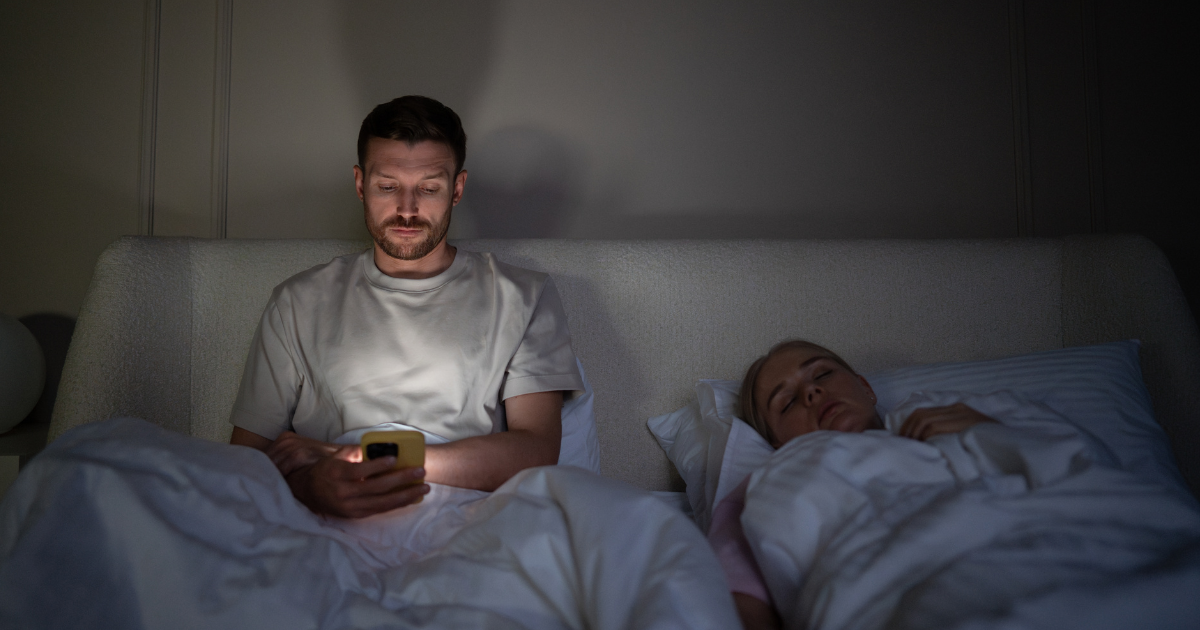
Yes, doomscrolling is wrecking your focus, your mood, and your sleep. Constant exposure to negative news fuels anxiety and leaves you stuck in a stress loop. The solution isn’t quitting the internet—it’s changing how you interact with it.
You grab your phone to check one quick headline. Forty-five minutes later, you’ve read about climate disasters, political scandals, health risks, and a Reddit thread titled “Why the world is ending (again).” You close your phone… and feel like your brain is melting.
Welcome to doomscrolling anxiety — the modern mental health spiral you didn’t ask for.
Reclaim your mental energy with support that sticks. Reach out to us today.
What to Know, Fast
- Doomscrolling is a real psychological loop, not just a buzzword.
- Your brain is wired to pay attention to negative content (thanks, evolution).
- Social media platforms feed you more of what you linger on—often, bad news.
- This constant exposure increases anxiety, stress, and messes with sleep and mood.
- Boundaries, curated feeds, and therapy can break the cycle and reclaim your mental space.
What Is Doomscrolling, Exactly?
Doomscrolling refers to the compulsive consumption of negative news or emotionally triggering content, especially on social media platforms. It usually starts as an innocent attempt to “stay informed” but quickly turns into a self-perpetuating cycle of psychological distress.
Why Can’t We Look Away From the Bad News?
Our brains are wired for negativity bias — the evolutionary survival instinct that makes us scan for threats. That’s helpful when you’re avoiding saber-toothed tigers. Less helpful when you’re scrolling headlines at midnight.
Add in algorithmic feeds designed to amplify engagement (which often means amplifying outrage), and it’s no wonder we get stuck.
In fact, recent research has identified a “doomscrolling scale” in applied psychology, showing that certain personality traits—like neuroticism and high emotional reactivity—are associated with more intense doomscrolling behavior.
What Happens to Your Brain and Body When You Doomscroll?
When you consume a steady stream of negative content, it activates your brain’s threat detection system. That triggers the fight-or-flight response, spiking cortisol and adrenaline. Over time, this creates real consequences:
- Increased anxiety and existential dread
- Disrupted sleep and restlessness
- Muscle tension, headaches, and fatigue
- Difficulty focusing, or feeling “mentally foggy”
- Emotional instability and irritability
- Pulling away from real-life relationships or responsibilities
In short, it’s not just in your head — it’s in your body, your mood, and your ability to function.
Many clients ask us, “Is doomscrolling really that bad, though?”
Damian Robledo, MSW, LCSW – Founder & CEO, Core Therapy, says:
“Yeah, it really can be. Your nervous system reacts as if the danger is happening to you. So you stay stuck in stress mode.”
How Doomscrolling Becomes a Vicious Cycle
The scariest part? The more anxious you are, the more you scroll. And the more you scroll, the worse you feel. It’s a loop driven by:
- Fear and uncertainty: We seek control by gathering more information.
- Addictive behavior: Dopamine hits from each new piece of info keep us hooked.
- 24/7 accessibility: Thanks to phones and notifications, we never have to stop.
- Social media use: Platforms push negative information because it keeps users engaged longer.
Over time, you may even experience symptoms similar to mental health disorders, including chronic stress, insomnia, and emotional burnout.
What Do Mental Health Professionals Recommend?
If doomscrolling has become a habit, there are practical ways to reclaim your time, focus, and sanity.
1. Set Time Limits
Limit news and social media usage to 15–30 minutes per day, max. Use app blockers if necessary.
2. Disable Notifications
Turn off pings from apps that flood you with headlines or updates. Reduce the constant exposure that trains your brain to stay on high alert.
3. Create Digital Boundaries
- No phones in bed
- Keep your phone off the dinner table
- Replace morning scrolling with something grounding (like stretching or journaling)
4. Check In With Yourself
While scrolling, pause and ask: “How is this making me feel?” If the answer is “horrible,” that’s useful data.
5. Practice Mindfulness Techniques
Techniques like deep breathing, the 5-4-3-2-1 method, or simply naming your emotional state can interrupt the anxiety loop.
6. Curate Your Feed
Mute, unfollow, or block accounts that push negative content or trigger comparison spirals. Following positive media, educational creators, or mental health advocates can shift the vibe of your feed.
7. Replace the Habit
Instead of “no phone,” try “phone with purpose.” Replace aimless scrolling with:
- Music
- Podcasts
- Gratitude journaling
- Short walks
- Talking to actual humans
How Can Therapy Help?
Therapy doesn’t just treat the effects of doomscrolling — it helps you understand why it’s happening in the first place.
A therapist can:
- Help you identify emotional triggers and patterns
- Teach you stress-reduction strategies for real life, not just your feed
- Guide you in building healthier, more intentional digital habits
- Support you in managing the existential anxiety that fuels your need to “know everything”
In clinical practice, therapists see doomscrolling as more than a bad habit — it’s a form of anxiety coping gone rogue. But you can unlearn it.
It’s Not Just Hearsay. But It Is Fixable.
Yes, doomscrolling is real. Yes, it can affect your mental health, physical health, relationships, and overall well-being. But no, you’re not stuck.
Small boundaries, better habits, and a little support can make all the difference.
Reclaim your mental energy with support that sticks at Core Therapy.